
Why heavy transport projects need temporary access solutions
When you run out of permanent road surface, installing ground protection mats for temporary access allows heavy vehicles and equipment to move safely within a project site. They create stable surfaces over soft, unstable or sensitive ground, helping prevent vehicles from sinking, getting stuck or damaging the site while keeping projects on schedule.
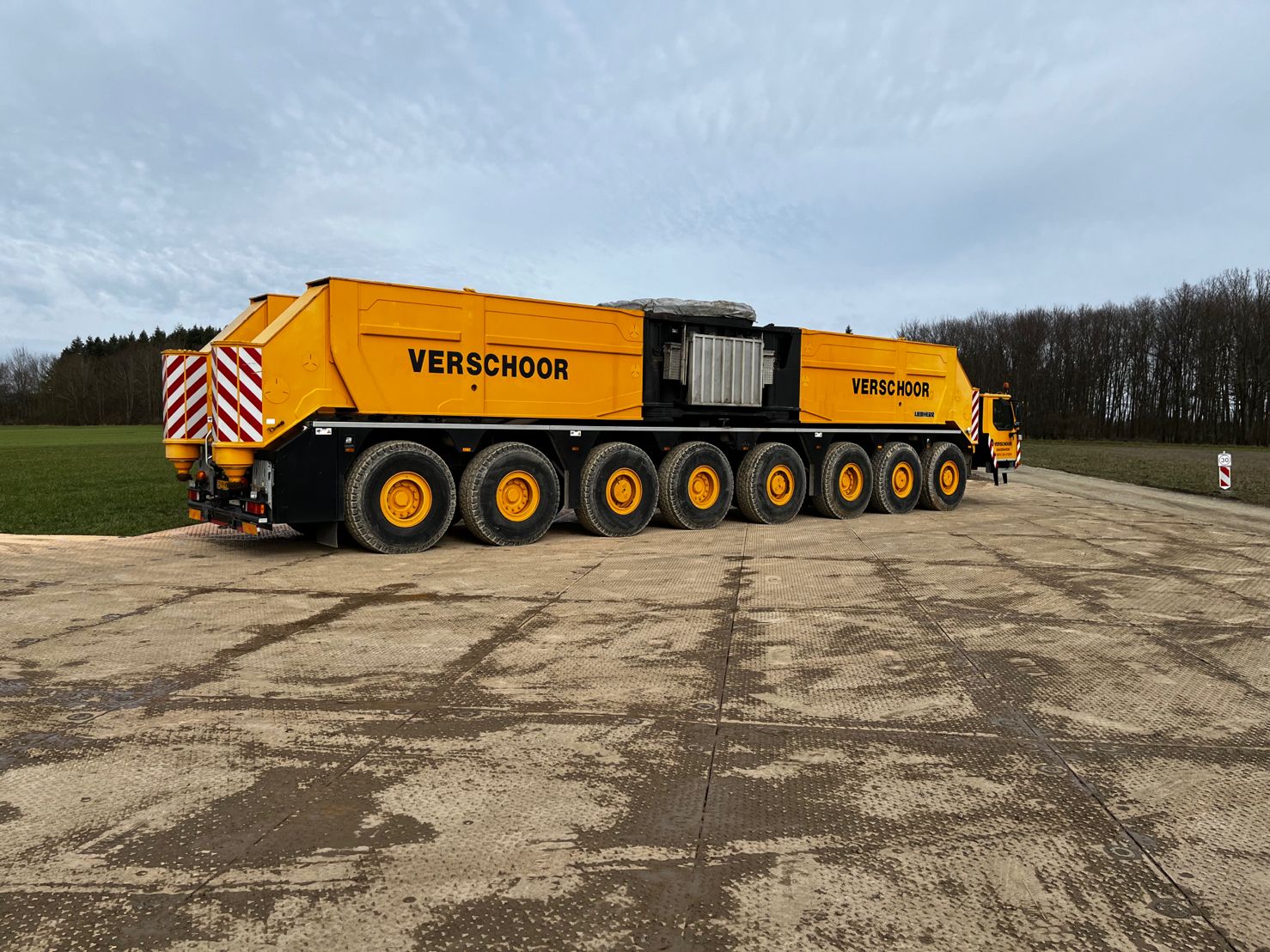
On most construction and infrastructure project sites, there is no hard surface access. Access routes may need to cross grassland, agricultural fields, compacted fill or low bearing ground. Heavy loads such as transformers, bridge beams or prefabricated modules still need to reach the site location area. Without a prepared surface, there is risk of rutting, getting bogged down or overturning.
Traditional temporary accesssolutions, such as gravel or timber or steel panels, typically require extensive ground preparation and the use of heavy installation equipment. This takes time, generates additional truck movements and can leave behind significant reinstatement work. In contrast, engineered composite mat systems require no or minimal ground preparation and can be installed much faster and cost-effectively.
Fast installation of temporary access using composite mats minimises risks of project delays. This means not having to wait for dry weather, carrying out last-minute grading or having to re-route; temporary access becomes a defined part of the project plan and scheduling, integrated with route surveys, permits, vehicle movements and and lifting operations.
How ground protection mats protect vehicles, people and ground
Ground protection mats work by distributing axle loads over a wider area, reducing the pressure transferred to the underlying soil or surface. When mats are securely connected, they behave more as a continuous surface, helping to prevent wheels and tracks sinking into the ground and affecting vehicle stability and safe operation.
For drivers and site teams, traction is critical. ISOTRACK mat systems offer different surface structure designs for rubber tyres and steel tracks. The high-traction surface provides excellent grip for vehicle tyres in dry or wet-muddy conditions. The lower profile surface design is ideal for enabling safe movement of steel track vehicles whilst minimising risk of damage to the temporary access surface.
People safety is equally important. Uneven ground, deep ruts and pools of mud create trip and slip hazards, especially around loading points and crane pads. A stable mat surface provides clearly defined and safe pedestrian and vehicle routes, making it easier to control site movements in line with project site safety requirements.
Site owners also benefit from reduced surface damage. Mats can be installed in sensitive areas such as sports fields, paved yards, asphalt, paving stones or finished landscaping before heavy vehicles or equipment are delivered and used on site. After removal at the end of the project, surfaces typically require minimal repair, avoiding the need for disruptive and costly reinstatement.
Choosing the right mat system for your vehicles and projects
Selecting the right mats for temporary access roads starts with understanding project vehicles, loads and ground conditions. The same mat system may not be optimal for a tracked excavator on a construction site and for a multi-axle heavy haulage trailer delivering to an industrial facility.
Key parameters include vehicle weight, axle loads, whether using tyre or tracked equipment, turning requirements and the frequency of movements. On the ground side, factors such as soil type, , bearing capacity and the presence of underground utilities must be considered.
Different mat designs address different project needs. Heavy-duty mats with cellular cores and overlapping joints are typically used for very high loads and challenging ground conditions. Medium-duty systems can be used on less challenging ground conditions while still handling substantial axle loads. Lightweight, man-handable mats can be ideal for protecting finished surfaces during lighter works or for creating quick pedestrian and light-vehicle access.
Working with a supplier, such as ISOTRACK, that offers technical guidance, can help with the mat selection decision. They can review your vehicle data, ground conditions and route drawings to recommend mat types and configurations, installation and connection options to cost-effectively deliver your project.
Planning safe temporary access roads on soft or sensitive ground
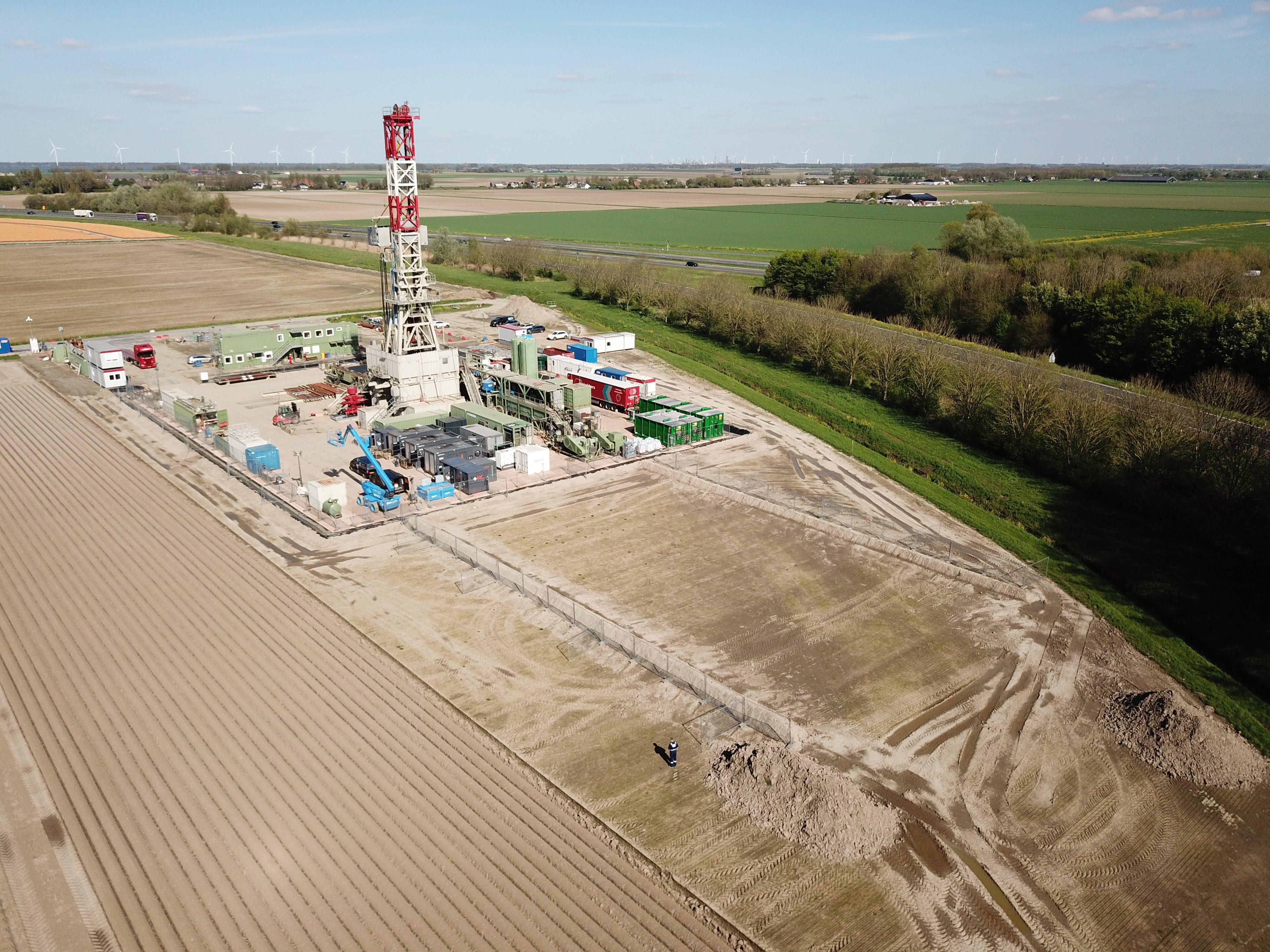
Effective temporary access is not just about the mat itself; it is about how the system is planned and installed. Starting with a route survey, project teams should identify load cases, turning points, gradients, existing services and environmental constraints before designing a layout.
Safe designs minimise sharp turns for long vehicles, avoid excessive crossfall and provide adequate width for passing or recovery. On soft ground, this may mean widening the mat roadway or adding additional mat layers in high-stress locations such as bends, transitions from hard to soft ground or crane outrigger positions.
Installation has a direct impact on performance. Mats need to be correctly aligned, fully connected and seated on a reasonably level base. Using appropriate tools and trained crews helps maintain consistency and speed.
Sensitive environments require careful consideration. In wetlands, agricultural land or protected areas, for example, temporary access routes should be aligned to minimise disturbance and designed to prevent soil mixing or compaction outside the mat footprint. After project completion, careful removal will minimise any restoration requirements.
Improving project efficiency, costs and sustainability with mats
Well-planned access using composite ground protection mats can significantly improve overall project efficiency. Faster installation compared with traditional methods shortens mobilisation times, allowing work to start sooner. Reliable access reduces unplanned stoppages when weather deteriorates or when an access track begins to fail under repeated use.
Cost benefits appear in several areas. Reusable mats spread their purchase cost over many projects, unlike single-use timber or thick gravel layers that are difficult to recover fully at the end of a project. Reduced ground preparation and reinstatement also save money, particularly on sites where topsoil, paving or landscaping would otherwise need extensive repair.
From a sustainability perspective, using composite mats compared to quarried aggregates, for example, reduces the number of delivery trucks required and the associated transport emissions. Composite mats manufactured from recycled materials further support circular-economy goals, and full recyclability at end of life helps minimise waste. For temporary works operators under pressure to document environmental performance, these aspects are increasingly important.
What to ask suppliers at IAA TRANSPORTATION 2026
Events such as IAA TRANSPORTATION 2026 offer an opportunity to explore temporary access roads and mat systems in person, compare solutions and discuss specific projects with experts. Arriving with clear questions helps you make the most of conversations at the exhibition.
Start with your use cases. Ask how different mat systems handle your heaviest vehicles, most challenging ground conditions and typical project durations. Request example configurations for scenarios such as temporary logistics yards, crane hardstands, access to charging infrastructure or crossing soft verges and fields.
Installation and handling are also key topics. Discuss how quickly systems can be deployed, what equipment is required and how mats are cleaned, stored and transported between sites. Understanding these practical details will help you evaluate real-world productivity.
Do not overlook sustainability and lifecycle considerations. Ask about recycled content, recyclability and how long mats typically remain in service under demanding conditions. Enquire whether the supplier can support you with technical data, method statements and training for your teams.
By combining these questions with a clear picture of your vehicles and projects, you can leave the event with a shortlist of solutions that will keep your heavy transport moving safely, efficiently and reliably—wherever the permanent road ends.